How to Manage 100+ Vehicles Without Building Custom Software
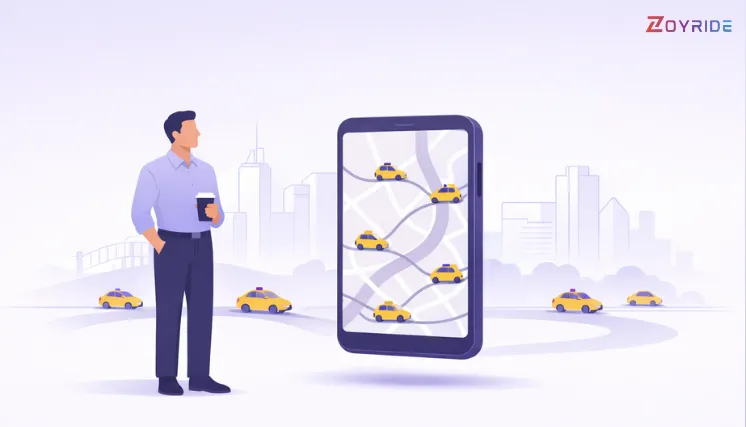
Managing a small taxi fleet is challenging enough. Managing 100+ vehicles without the right systems can quickly turn chaotic—missed dispatches, idle vehicles, unhappy drivers, and zero visibility into what’s really happening on the ground.
Many operators assume the only way to handle this scale is by building custom software. In reality, modern fleet management software for large fleets already solves most operational challenges—without the cost, risk, and maintenance burden of custom development.
Let’s break down how large taxi operators can manage scale efficiently using ready-to-deploy systems.
Why Managing 100+ Vehicles Becomes Complex
As fleet size grows, complexity increases exponentially:
- Manual dispatch stops working
- Driver coordination becomes inconsistent
- Vehicle utilization drops
- Reporting turns unreliable
- Decision-making becomes reactive instead of data-driven
This is where operators struggle to manage taxi fleet operations using spreadsheets, calls, or disconnected tools.
1. Centralized Dispatch Is the First Requirement
For large fleets, dispatching manually is no longer sustainable.
A robust taxi dispatch software for large fleets allows:
- Automated driver assignment based on proximity and availability
- Real-time visibility of all vehicles on a live map
- Faster response times during peak demand
- Reduced dispatcher workload
With proper dispatch automation, managing dispatch software for 100+ vehicles becomes predictable instead of stressful.
2. Fleet Automation Reduces Operational Overload
Large fleets fail when too many tasks depend on humans.
Using fleet automation software, operators can automate:
- Trip allocation
- Driver availability tracking
- Status updates (online, on-trip, idle)
- Fare calculation and invoicing
Automation ensures consistency and reduces errors—especially critical when you’re figuring out how to manage a taxi fleet at scale.
3. Real-Time Visibility Keeps You in Control
Without visibility, scale becomes risk.
A scalable fleet management system gives admins:
- Live tracking of all vehicles
- Trip status updates across the fleet
- Driver performance insights
- Vehicle usage and idle time reports
This real-time view helps operators identify inefficiencies before they turn into losses.
4. Driver and Vehicle Management at Scale
Managing hundreds of drivers and vehicles manually leads to compliance gaps and downtime.
The best software for fleet management centralizes:
- Driver onboarding and verification
- Vehicle assignment and availability
- Shift scheduling
- Performance monitoring
This structure allows operators to scale operations without increasing admin headcount proportionally.
5. Data-Driven Decisions Replace Guesswork
At 100+ vehicles, intuition is no longer enough.
Modern platforms provide dashboards that show:
- Peak demand hours
- High-performing routes
- Underutilized vehicles
- Driver productivity trends
These insights help operators optimize routes, pricing, and staffing—key to long-term profitability.
6. Why Custom Software Isn’t Always the Answer
Building custom software may sound attractive, but it comes with:
- High upfront development costs
- Long implementation timelines
- Ongoing maintenance challenges
- Dependency on internal tech teams
In contrast, ready-made solutions offer:
- Faster deployment
- Proven workflows
- Regular updates
- Scalability without rework
For most operators, buying a configurable platform is far more practical than building from scratch.
Conclusion: Scaling Is About Systems, Not Code
Managing 100+ vehicles successfully isn’t about writing software—it’s about using the right systems.
With a reliable fleet management software for large fleets, operators can automate dispatch, improve visibility, reduce costs, and scale operations smoothly without technical complexity.
Want to see how large fleets manage operations without custom development?
Book a meeting with Zoyride and explore a scalable fleet management system built for growing operators.
FAQs: Managing Large Taxi Fleets
Q1. How can I manage a taxi fleet with over 100 vehicles efficiently?
By using a centralized dispatch and fleet management system that automates trip allocation, tracking, and reporting instead of relying on manual processes.
Q2. Is taxi dispatch software necessary for large fleets?
Yes. Manual dispatch doesn’t scale. Taxi dispatch software for large fleets ensures faster assignments, fewer errors, and better vehicle utilization.
Q3. What features should fleet management software for large fleets include?
Key features include real-time trackinge, automated dispatch, driver and vehicle management, reporting dashboards, and scalability support.
Q4. Can fleet automation software reduce operational costs?
Absolutely. Automation reduces idle time, fuel waste, manual errors, and administrative overhead, directly impacting profitability.
Q5. Is it better to build custom software or use a scalable fleet management system?
For most operators, using a scalable fleet management system is faster, more cost-effective, and easier to maintain than building custom software.