5 Features Every HR Should Demand in an Employee Transport System
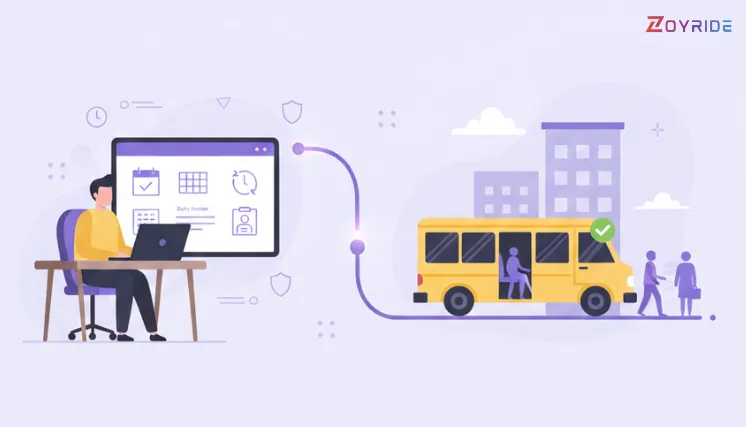
Managing employee transportation is no longer a simple logistical task. HR and admin teams deal with shift-based schedules, traffic uncertainties, safety protocols, and high employee expectations — all while trying to keep costs under control.
A modern Employee Transport System (ETS) can simplify this complexity. The right platform automates route planning, increases visibility, ensures compliance, and helps employees reach their workplace safely and on time.
If you’re exploring options for your organization, here are five essential features every HR team should prioritize.
1. Automated Route Optimization and Smart Scheduling
Manually planning routes for hundreds of employees is time-consuming and often inaccurate. Delays, long detours, and improper grouping of employees can easily increase travel time and fuel costs.
Look for a system that can:
- Automatically generate pickup and drop routes based on shift timings
- Recalculate routes in real time during traffic, road closures, or last-minute changes
- Assign vehicles and drivers using intelligent logic, not manual guesswork
Automation ensures optimized routes, reduced mileage, and smoother daily operations.
2. Real-Time Tracking and Complete Trip Visibility
Tracking vehicles in real time is essential for safety and operational control. GPS-based tracking gives HR teams the visibility they need to monitor every trip.
A good ETS should allow you to:
- See live vehicle movement on the map
- Receive alerts for route deviations or unscheduled stops
- Monitor trip progress during late-night or long-distance commutes
Employees also benefit. Knowing exactly when the cab will arrive reduces uncertainty and improves punctuality.
3. Safety and Compliance Tools Built for Employee Mobility
Employee safety is a major responsibility, especially during early-morning or late-night shifts. The transport system you choose should support strict safety and compliance workflows.
Key features to consider:
- SOS or panic button for quick emergency alerts
- Driver document tracking (license, ID, background verification)
- Automated check-ins for employees boarding or completing trips
- Gender-based routing or approval rules for additional security
These tools ensure your transport operations follow company policies and statutory requirements without manual effort.
4. Clear Communication and Instant Notifications
Smooth coordination depends on timely and reliable communication. Missed messages, unclear updates, or manual calling can quickly disrupt operations.
Choose software that offers:
- Instant trip notifications for delays, rescheduling, or route changes
- Automated reminders for pickup times
- Simple communication between drivers and employees
- Multi-channel alerts (SMS, email, push notifications)
When communication is automated, HR teams spend less time coordinating and employees stay better informed.
5. Transparent Billing, Trip Records, and Reporting
Transport billing can get complicated — especially when you’re managing multiple vendors, shifts, and thousands of monthly trips.
Your system should simplify financial workflows by offering:
- Automated trip logs and vendor-wise invoices
- Accurate distance, time, and cost calculations
- Compliance-ready reports
- Dashboards that highlight peak routes, usage trends, and cost-saving opportunities
Having all transport data centralized improves financial accuracy and reduces manual reconciliation.
Bonus: Integration with Your Existing HR Systems
Modern transport operations work best when connected with attendance, payroll, and shift-management systems.
Look for a platform that integrates easily with your HRMS or ERP. This ensures:
- Auto-sync of employee rosters and shift timings
- Automated attendance marking
- Reduced data entry mistakes
- A unified workflow across departments
This is where a robust employee transport solution creates real value — by simplifying data flow and reducing administrative burden.
Conclusion: Choose a System That Supports Your Workforce — and Your Processes
A reliable Employee Transport System is not just a tool; it’s an operational backbone for companies that run complex shifts or large-scale mobility programs. The right platform should help HR teams reduce manual work, improve safety, and maintain transparency across every trip.
Zoyride’s Employee Transport Software is designed with these needs in mind. It brings together route automation, tracking, safety controls, and seamless integrations to help organizations run efficient, compliant, and employee-friendly transport operations.
Explore more or request a custom pricing plan to see how Zoyride can support your workplace mobility.
FAQs
1. Why do HR teams need an Employee Transport System?
It helps automate routes, ensure employee safety, reduce manual coordination, and provide accurate data for billing and compliance.
2. Can this type of system integrate with existing HRMS tools?
Yes. Most modern platforms support API-based integration for attendance, payroll, and roster management.
3. What should companies prioritize when choosing an ETS?
Route automation, real-time tracking, safety features, accurate billing, and ease of integration are key factors.
4. Is it suitable for companies with multiple office locations?
Absolutely. A cloud-based transport system can manage commutes across multiple buildings, cities, or even countries.
5. How does an ETS improve employee experience?
It offers predictable pickup times, real-time cab tracking, instant communication, and a safer commute experience.