How Integrated SMS, WhatsApp, and Push Notifications Solve Taxi Dispatch Gaps
Learn how SMS, WhatsApp, and push notifications work together to solve taxi dispatch gaps, improve communication, and ensure timely pickups and updates.
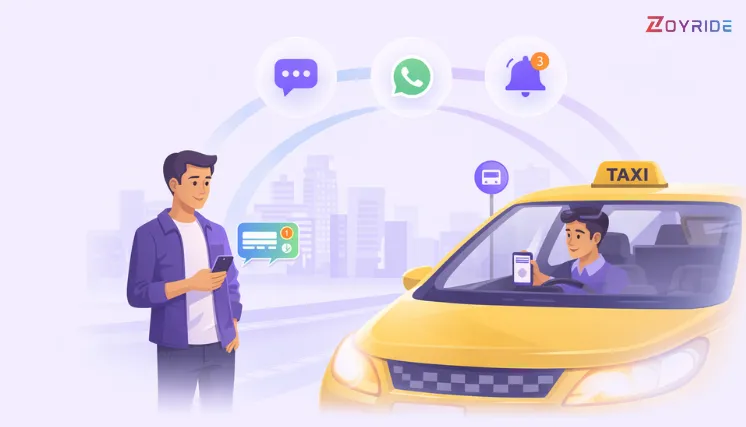
Missed ride requests. Drivers calling dispatch for details. Passengers asking, “Where is my cab?”
These aren’t tech issues — they’re communication failures.
As fleets scale, most taxi dispatch communication gaps happen because information doesn’t reach the right person at the right time. That’s why modern platforms rely on a multi-channel communication taxi business setup using SMS, WhatsApp, and push notifications together.
Let’s break down how integrated messaging fixes dispatch chaos and keeps everyone in sync.
Why Communication Breaks Down in Taxi Dispatch
In many taxi operations:
- Drivers miss app alerts during busy hours
- Passengers don’t open apps after booking
- Dispatch teams rely on calls and manual follow-ups
This creates delays, confusion, and cancellations — even when dispatch logic is correct. A strong taxi dispatch communication system ensures messages are delivered, seen, and acted on.
1. SMS Notifications: Reliable and Universal
SMS remains one of the most dependable communication channels.
With SMS notification for taxi booking, operators can:
- Confirm bookings instantly
- Share driver and vehicle details
- Send OTPs and pickup alerts
- Reach users without internet access
SMS ensures critical updates are delivered — even when apps aren’t opened.
2. WhatsApp Notifications: Context-Rich and Interactive
Passengers and drivers increasingly prefer WhatsApp over traditional messages.
Using WhatsApp notification taxi app features, operators can:
- Share trip details in a familiar interface
- Send live location links
- Reduce inbound support calls
- Improve message open rates
WhatsApp adds clarity and trust, especially for airport pickups and outstation trips.
3. Push Notifications: Fast and In-App
For active app users, push notifications are the fastest way to communicate.
With push notifications taxi app systems, businesses can:
- Alert drivers about new ride requests
- Notify passengers about driver arrival
- Send status updates like “Trip Started” or “Trip Completed”
Push notifications work best when combined with other channels — not used alone.
4. How Multi-Channel Communication Closes Dispatch Gaps
Relying on a single channel creates blind spots.
A unified multi-channel communication taxi business approach ensures:
- If push fails, SMS or WhatsApp backs it up
- Drivers receive updates even when offline
- Passengers stay informed without calling support
This layered communication directly reduces taxi dispatch communication gaps during peak hours and high-demand situations.
5. Real-Time Coordination Between Drivers, Passengers, and Admins
Integrated communication connects all three sides:
- Drivers receive trip alerts and changes instantly
- Passengers get clear, timely ride updates
- Admins monitor message delivery and response status
This turns communication from a reactive task into an automated workflow.
6. Fewer Calls, Fewer Errors, Better Experience
When notifications work:
- Dispatch teams handle fewer calls
- Drivers waste less time clarifying details
- Passengers feel informed and confident
A modern taxi management communication system reduces friction without adding complexity.
Conclusion: Dispatch Works Better When Communication Is Built In
Dispatch failures aren’t always routing problems — they’re often messaging problems.
By integrating SMS, WhatsApp, and push notifications into one system, taxi operators eliminate confusion, reduce delays, and improve the experience for everyone involved.
Ready to upgrade your dispatch communication?
Ready to upgrade your dispatch communication? Get full access to Zoyride’s suite of tools today. It takes less than two minutes to set up, and you don’t even need to pull out your wallet.
FAQ
Q1. Drivers already use calls — why do I need WhatsApp or SMS?
Because calls don’t scale. When fleets grow, automated messages reduce missed trips, repeated calls, and dispatcher overload.
Q2. What happens if a driver doesn’t open the app?
That’s exactly why multi-channel messaging exists. If push isn’t seen, SMS or WhatsApp delivers the same update automatically.
Q3. Will WhatsApp messages actually get read by passengers?
Yes. WhatsApp messages have significantly higher open rates than email or app notifications, especially for pickup and ETA updates.
Q4. Can I control which messages go on SMS vs WhatsApp vs push?
Yes. Admins can define rules based on message type, urgency, and user availability.
Q5. Will this reduce “Where is my cab?” support calls?
Yes. When passengers receive live updates and location links automatically, support calls drop noticeably.