How Multi-Zone Fare Rules Help Taxi Companies Compete Locally
Learn how multi zone fare rules help taxi companies stay competitive with localized pricing, better fare control, and improved customer experience.
In the fast-changing urban mobility space, taxi companies face more competition than ever before. They’re not just competing with other local taxis but also with ride-hailing giants and the growing demand for transparent, tech-enabled transportation.
To survive—and thrive—in this competitive market, operators need smarter pricing strategies that match local dynamics. One powerful solution is multi-zone fare rules, a feature increasingly offered by advanced taxi software platforms.
What Are Multi-Zone Fare Rules?
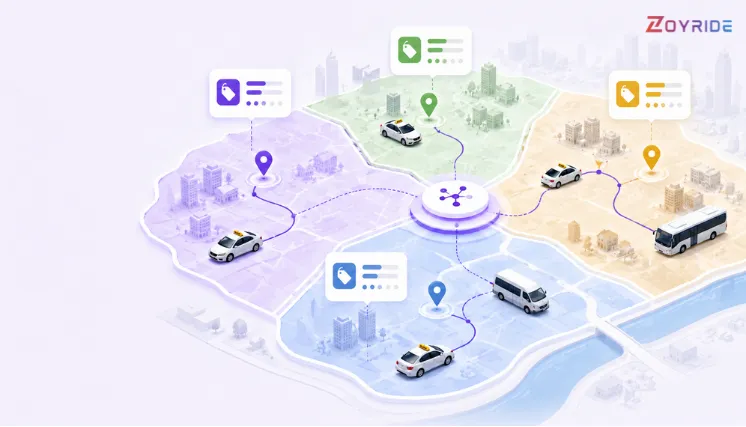
Multi-zone fare rules divide a service area into specific “zones.” Instead of calculating fares only by distance or using flat rates, the price is determined by the zones traveled during a trip.
For example, a ride within Zone A might have one fare, while crossing into Zone B could apply a different rate. This flexible structure helps companies adapt pricing to real-world conditions like demand, traffic, or special events.
With modern taxi software, operators can digitally map these zones and adjust fares in real time, without any manual intervention. This capability allows fleets to respond quickly to market changes, creating both operational efficiency and customer satisfaction.
Why Multi-Zone Fare Rules Are a Game-Changer
1. Boosting Local Competitiveness
Taxi operators using zone-based fares can tailor prices to match neighborhood dynamics. Lower prices in residential areas attract more passengers, while higher rates in busy commercial districts ensure profitability during peak times.
For instance, a business district may experience higher demand during office hours. With multi-zone fare rules, taxi companies can increase fares only in that zone and time period, maintaining competitiveness elsewhere.
2. Enhancing Revenue and Profitability
Zone-based pricing isn’t just about flexibility—it’s about increasing profits where it makes sense. During festivals or high-traffic events, operators can create temporary premium zones and adjust fares automatically.
By leveraging predictive analytics built into taxi software, companies can anticipate demand surges and allocate drivers where they’ll earn more. This smart pricing approach maximizes revenue while reducing idle time for drivers.
3. Building Passenger Trust Through Transparency
One of the top reasons passengers choose ride-hailing apps is transparent pricing. Traditional taxi meters often leave customers guessing the final fare.
Multi-zone pricing, when powered by taxi software, eliminates this uncertainty. Passengers can see the fare upfront before confirming a booking. When customers know exactly what they’ll pay, they’re far more likely to choose the service again.
4. Making Administration Effortless
Manually managing zones and fares can be chaotic. It requires constant monitoring, updates, and communication with drivers. Taxi software automates this entire process.
With a few clicks, operators can adjust fares for new city areas, comply with regulations, or respond to temporary events. This automation not only saves time but also prevents costly errors that could damage customer relationships or lead to regulatory issues.
The Role of Taxi Software in Multi-Zone Pricing
Implementing multi-zone fare rules manually is almost impossible. That’s where modern taxi software comes in. It simplifies the process by:
- Digitally mapping service zones, allowing easy modifications as the city evolves.
- Automatically calculating fares based on zones, removing the need for manual input.
- Providing real-time fare updates to both drivers and passengers.
- Offering analytics that show which zones are most profitable and where demand is growing.
- Ensuring compliance with local regulations by maintaining clear records of fare changes.
This level of automation ensures that taxi companies can stay ahead in competitive markets without adding unnecessary workload to their teams.
Regulatory Benefits of Zone-Based Pricing
Apart from profitability, regulatory compliance is another major reason to adopt this pricing model. City authorities often demand transparency and fairness in fares.
With taxi software handling multi-zone pricing, it becomes easy to generate reports, demonstrate compliance, and adjust fares to meet new regulations quickly. This not only helps avoid penalties but also builds a positive reputation with local authorities.
Real-World Impact on Taxi Businesses
Taxi operators who implement multi-zone pricing typically see:
- Increased earnings due to smarter fare segmentation.
- Improved driver satisfaction, as higher earnings during peak times lead to lower churn.
- Greater passenger loyalty because fares are transparent and predictable.
- Operational efficiency, since pricing updates happen automatically without delays.
This combination of benefits allows companies to compete directly with global ride-hailing apps while maintaining a local edge.
Conclusion
Multi-zone fare management is not just a technical upgrade—it’s a competitive strategy. By implementing zone-based pricing through robust taxi software, companies can boost revenue, improve rider trust, and streamline operations.
Solutions like Zoyride make this process effortless by offering interactive zone mapping, automated fare calculations, and real-time updates, giving taxi businesses the tools they need to stay ahead in their local markets.
FAQs
Q1. How often should fare zones be updated?
Fare zones should be reviewed regularly, especially when new routes, events, or regulatory changes occur. Taxi software makes these updates simple and fast.
Q2. Does zone-based pricing confuse passengers?
Not at all. Modern apps show fare estimates upfront, so passengers always know what to expect.
Q3. Can I combine zone fares with promotions or surge pricing?
Yes. Hybrid pricing models allow operators to mix zone fares with discounts or surge rates depending on demand.
Q4. Is zone-based pricing suitable for small fleets?
Absolutely. Even smaller taxi businesses benefit from clear, automated fare rules that build customer trust.
Q5. What’s the biggest advantage of using software like Zoyride for fare management?
It gives you full control over pricing, reduces manual work, and ensures you remain competitive with transparent, data-driven fares.