כיצד תחזוקה חזויה יכולה לצמצם השבתות בציי מוניות
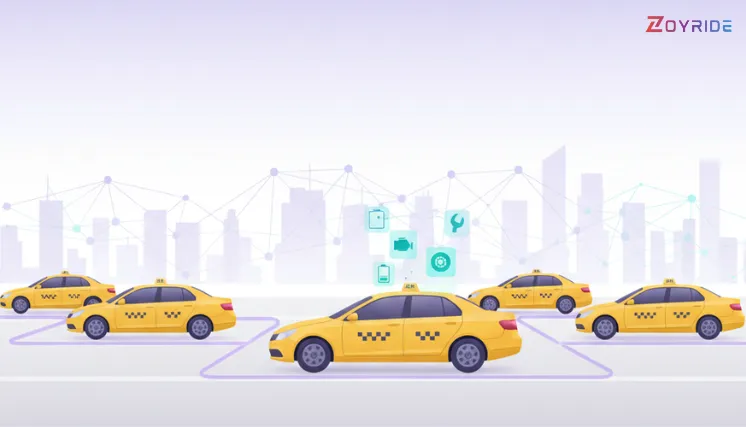
להשאיר צי מוניות על הכביש הוא אחד האתגרים הגדולים ביותר עבור מפעילים. כל דקה שבה רכב עומד במוסך במקום להסיע נוסעים היא הכנסה אבודה. כשמוסיפים לזה תיקוני חירום, נהגים מתוסכלים ולקוחות מאוכזבים, השבתה הופכת מהר מאוד לבעיה עסקית ממשית.
כאן נכנסת לתמונה התחזוקה החזויה. במקום להגיב רק לאחר תקלה, תחזוקה חזויה מאפשרת להקדים את הבעיה ולחסוך גם זמן וגם כסף. עבור חברות מוניות שרוצות לצמוח, זה כבר לא יתרון נחמד אלא צורך אמיתי.
במאמר הזה נסביר מהי תחזוקה חזויה, איך היא עובדת, מה היתרונות שלה, ולמה היא חיונית לעסקי מוניות מודרניים. נבחן גם כיצד תוכנת מוניות חכמה כמו Zoyride משלבת תחזוקה חזויה כדי להפוך את ניהול הצי לחלק ויעיל יותר.
מהי תחזוקה חזויה?
תחזוקה חזויה היא גישה פרואקטיבית לטיפול ברכב. בניגוד לתחזוקה קבועה לפי מרווחי זמן או קילומטראז’, תחזוקה חזויה משתמשת בנתונים בזמן אמת כדי להבין מתי הרכב באמת צריך טיפול.
הדבר מתבצע באמצעות חיישנים, טלמטיקה וניתוח מבוסס בינה מלאכותית שעוקבים אחר רכיבי הרכב: מצב המנוע, הבלמים, הסוללה, מערכת הדלק ועוד. אם מזוהה סימן לבעיה, המערכת מתריעה למנהלי הצי כדי שיוכלו לטפל בה לפני שהיא גורמת להשבתה.
במילים פשוטות: זה כמו מכונאי חכם שמפקח על המוניות שלכם 24/7 ומזהה תקלות עוד לפני שהן קורות בדרך.
למה עסקי מוניות לא יכולים להתעלם מתחזוקה חזויה
מפעילי מוניות מתמודדים עם אתגרים ייחודיים:
- שימוש אינטנסיבי ברכב: מוניות פועלות שעות רבות בתנועה עירונית, ולכן הבלאי מואץ.
- תלות בהכנסה מכל נסיעה: כל נסיעה חשובה, והשבתה לא צפויה פירושה אובדן הכנסות.
- ציפיות לקוחות: נוסעים מצפים לאיסוף מהיר ולנסיעה בטוחה, ותקלות פוגעות באמון.
- לחץ תחרותי: אפליקציות נסיעה ושירותי תחבורה אחרים מציבים רף שירות גבוה יותר.
תחזוקה חזויה מטפלת ישירות בכל אחד מהאתגרים הללו על ידי צמצום הפרעות ושמירה על צי אמין וזמין.
איך תחזוקה חזויה עובדת בפעילות מוניות
1. ניטור בזמן אמת
הרכבים מצוידים בחיישנים שעוקבים אחר מדדי ביצועים כמו טמפרטורת מנוע, לחץ אוויר בצמיגים, מתח סוללה ויעילות דלק.
2. איסוף נתונים וניתוח מבוסס בינה מלאכותית
כל הנתונים נשלחים לפלטפורמה מרכזית, שבה אלגוריתמים מזהים דפוסים וסימנים מוקדמים לכשל.
3. התראות מוקדמות
אם משהו נראה חריג, למשל רפידת בלם שנשחקת מהר מדי, מנהל הצי מקבל התראה מיידית.
4. טיפול מתוזמן
במקום לחכות להשבתה, אפשר לבצע תחזוקה בזמן נוח יותר ולמנוע פגיעה בשעות העומס.
5. למידה מתמשכת
המערכת משתפרת לאורך זמן ולומדת מנתוני תחזוקה קודמים כדי לדייק עוד יותר את התחזיות.
היתרונות של תחזוקה חזויה לחברות מוניות
-
פחות השבתות
כאשר מזהים בעיות מוקדם, נמנעים מתיקוני חירום ויותר רכבים נשארים על הכביש בשעות העמוסות. -
עלויות תיקון נמוכות יותר
תיקון קטן עולה הרבה פחות מתיקון כבד. תחזוקה חזויה עוזרת לטפל בבעיה כשהיא עדיין קטנה. -
בטיחות צי טובה יותר
על ידי זיהוי תקלות כמו שחיקת בלמים או נזק לצמיגים בשלב מוקדם, אתם שומרים טוב יותר על הנהגים והנוסעים. -
ניצול טוב יותר של הנכסים
הרכבים מבלים פחות זמן במוסך ויותר זמן בייצור הכנסות. -
הארכת חיי הרכב
טיפול עקבי ומבוסס נתונים מפחית שחיקה לאורך זמן ומאריך את חיי המוניות. -
קבלת החלטות מבוססת נתונים
דוחות תחזוקה מפורטים עוזרים לתכנן השקעות בצי, החלפות רכבים ואסטרטגיות תפעול.
תחזוקה חזויה בפועל: דוגמאות שימוש
- אבחון מנוע: זיהוי מוקדם של בעיות הזרקת דלק, ירידת שמן או התחממות יתר.
- התראות על מערכת הבלמים: מעקב אחר שחיקה לצורך החלפה בזמן.
- ניטור לחץ אוויר בצמיגים: מניעת תקרים באמצעות זיהוי חוסר איזון מוקדם.
- מעקב אחר בריאות הסוללה: במיוחד ברכבים היברידיים או חשמליים.
- דוחות צריכת דלק: זיהוי רכבים שצורכים יותר מדי דלק בגלל בעיה נסתרת.
איך Zoyride משדרגת תחזוקה חזויה
עבור מפעילי מוניות, היכולת לקבל תכונות תחזוקה חזויה ישירות בתוך תוכנת השיגור ו**ניהול הצי** היא יתרון משמעותי.
עם תוכנת המוניות מבוססת הבינה המלאכותית של Zoyride אפשר:
- לעקוב אחר מצב הרכב באמצעות טלמטיקה מובנית
- לקבל התראות אוטומטיות כאשר נדרש טיפול
- לתכנן טיפולים בלי לשבש נסיעות מתוזמנות
- להפיק דוחות שמסייעים לצמצם עלויות ולייעל ביצועים
המשמעות היא שאין צורך בכלי נפרד למעקב תחזוקה. הכול מנוהל ממערכת אחת.
למה תחזוקה חזויה היא יתרון עסקי
בשוק תחרותי, יעילות יכולה להיות ההבדל בין הצלחה לכישלון. תחזוקה חזויה מספקת:
- פחות הוצאות בלתי צפויות כתוצאה מהשבתות
- לקוחות מרוצים יותר כי השירות אמין יותר
- פחות לחץ על הנהגים, שלא צריכים לחשוש מתקלה באמצע נסיעה
- החזר השקעה טוב יותר, כי מוציאים פחות על חירום ומרוויחים יותר זמן עבודה
סיכום
השבתה עולה ביוקר, לא רק בגלל התיקון עצמו אלא גם בגלל אובדן הזדמנויות עסקיות ופגיעה באמון הלקוחות. תחזוקה חזויה משנה את אופן ניהול צי המוניות והופכת אותו לפרואקטיבי, יעיל ובטוח יותר.
לעסקים שרוצים להישאר צעד אחד לפני השוק, שילוב כלים חזויים בתוך תוכנת המוניות שלהם, כמו ב-Zoyride, עוזר להשאיר את הצי על הכביש ואת העסק בצמיחה.
שאלות נפוצות: תחזוקה חזויה לעסקי מוניות
Q1. במה תחזוקה חזויה שונה מטיפול תקופתי רגיל?
טיפול רגיל מתבצע לפי לוח זמנים קבוע, בעוד תחזוקה חזויה משתמשת בנתונים בזמן אמת כדי לטפל ברכב רק כשבאמת צריך.
Q2. האם זה מתאים רק לציים גדולים?
לא. גם חברות מוניות קטנות נהנות מפחות תקלות ומעלויות תיקון נמוכות יותר.
Q3. האם צריך חומרה יקרה במיוחד?
לא בהכרח. פלטפורמות מודרניות רבות תומכות ביכולות תחזוקה חזויה דרך טלמטיקה קיימת.
Q4. האם תחזוקה חזויה יכולה להפחית עלויות תפעול?
כן. היא מצמצמת תיקוני חירום, מפחיתה בזבוז דלק ומאריכה את חיי הרכב, ולכן משפרת ישירות את הרווחיות.
Q5. האם Zoyride תומכת בתחזוקה חזויה?
כן. Zoyride כוללת תכונות תחזוקה חזויה מובנות שמסייעות למפעילי מוניות לנהל צי בצורה חכמה ולמנוע השבתות יקרות.