How Payment Gateways Integrate with Taxi Apps: A Complete Guide for Modern Mobility Platforms
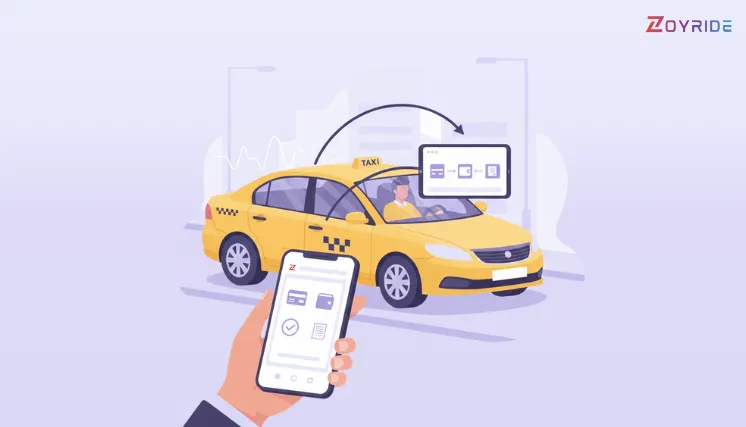
When a passenger books a taxi, the journey doesn’t end at drop-off. It ends when the payment is completed smoothly — without delays, confusion, or disputes. That final step plays a bigger role in passenger satisfaction than many operators realize.
Today, a reliable taxi app payment system is no longer just about collecting fares. It affects booking completion rates, driver trust, operational efficiency, and your ability to scale. That’s why understanding payment gateway integration in taxi app platforms is essential for modern mobility businesses.
Let’s explore how payment gateways work inside taxi apps — in a simple, practical, and business-focused way.
Why Payments Are a Core Part of the Taxi Experience
In the early days, cash was enough. But as ride-hailing platforms evolved, passengers began expecting fast, secure, and flexible online payment for taxi booking. A smooth digital payment experience benefits everyone involved:
- Passengers complete bookings with confidence
- Drivers avoid cash handling and fare disputes
- Admin teams track revenue accurately in real time
- Businesses can scale without operational chaos
When payments feel unreliable or complicated, even a perfect ride can result in user drop-off.
What Payment Gateway Integration Really Means
A payment gateway for taxi app connects your platform with external payment providers to process transactions securely between passengers, banks, drivers, and the business.
Payment gateway API integration ensures the app communicates in real time with payment services, so transactions are verified, recorded, and reflected instantly across the passenger app, driver app, and admin panel. Passengers experience a seamless checkout, unaware of the complex process happening in the background.
How Payments Flow Inside a Taxi App
Here’s what happens during a typical ride:
- Passenger books a trip and selects a payment method
- The app sends a secure request to the payment gateway
- The gateway processes the transaction with the bank or wallet
- Payment confirmation is sent instantly to the passenger, driver, and admin panel
- Trip is marked as paid and logged automatically
This real-time synchronization is what makes taxi app payment gateway integration critical. It removes manual work, prevents mismatches, and keeps operations running smoothly.
Payment Options Users Expect Today
Modern taxi platforms must support multiple taxi booking app payment options. Commonly supported methods include:
- Cards (credit/debit)
- UPI or direct bank transfers
- Mobile wallets
- Cash (for hybrid or offline scenarios)
Offering multiple options improves booking completion and ensures passengers see their preferred payment method.
Why In-App Payments Are Better Than Cash
In-app payments streamline the experience for both passengers and operators. They help by:
- Eliminating the need for exact change
- Reducing fare disputes
- Speeding up trip completion
- Enabling automatic invoices and financial reporting
For businesses, digital payments reduce fraud risk, improve transparency, and make scaling easier.
Impact on Drivers and Admin Operations
A well-integrated ride hailing app payment integration benefits the entire ecosystem .
For Drivers:
- Faster settlements
- Clear earnings breakdown
- Automated incentives
For Admins:
- Real-time transaction tracking
- Easy refunds and adjustments
- Accurate commission calculations
This level of transparency builds trust and reduces operational friction.
Security and Compliance
Payments involve sensitive data. A reliable digital payment solution for taxi business uses encrypted APIs, secure authentication, and compliance-ready payment gateways. This ensures passenger trust and protects your business from fraud.
Handling Failures, Refunds, and Edge Cases
Network issues, bank declines, or user errors can cause payment failures. A robust taxi payment system handles these gracefully:
- Notify users instantly
- Allow retries without manual intervention
- Enable admins to issue refunds efficiently
This reduces support tickets and keeps operations smooth.
Payments for Different Taxi Business Models
Different taxi services require different payment rules. City rides, outstation trips, rentals, and corporate transport all have unique workflows. Modern cab software allows configurable payment systems, adapting to your operational needs without forcing rigid processes.
Conclusion: Payments Shape the Quality of Your Platform
In today’s mobility industry, payments are not a backend feature — they are central to the customer and driver experience. A reliable payment system improves trust, speeds operations, and prepares your business for growth.
If you want fewer booking drop-offs, happier drivers, and cleaner financial operations, a strong payment integration is essential.
Ready to simplify payments for your taxi business? Book a meeting with Zoyride and explore secure, flexible payment solutions designed for modern mobility platforms.
FAQs
Q1. Why is payment gateway integration important for taxi apps?
It ensures secure, real-time fare collection and keeps passengers, drivers, and admins perfectly aligned throughout the trip lifecycle.
Q2. What payment methods should a modern taxi app support?
Cards, UPI/bank transfers, wallets, and optional cash payments help maximize booking completion and user satisfaction.
Q3. How does in-app payment benefit taxi drivers?
It reduces cash handling, minimizes disputes, and provides transparent earnings with faster settlements.
Q4. Is payment data secure in taxi booking apps?
Yes. Encrypted APIs, secure authentication, and compliance-ready gateways protect sensitive information.
Q5. Can payment systems be customized for different taxi business models?
Absolutely. Advanced platforms allow payment workflows to be tailored for city rides, outstation trips, rentals, and corporate transport.