Navette Aziendali Dinamiche: Il Passaggio da Percorsi Fissi alla Mobilità On-Demand
Scopri come le navette aziendali dinamiche sostituiscono i percorsi fissi con la mobilità on-demand, aiutando le aziende a migliorare l’utilizzo della flotta, ridurre i costi e servire meglio i dipendenti.
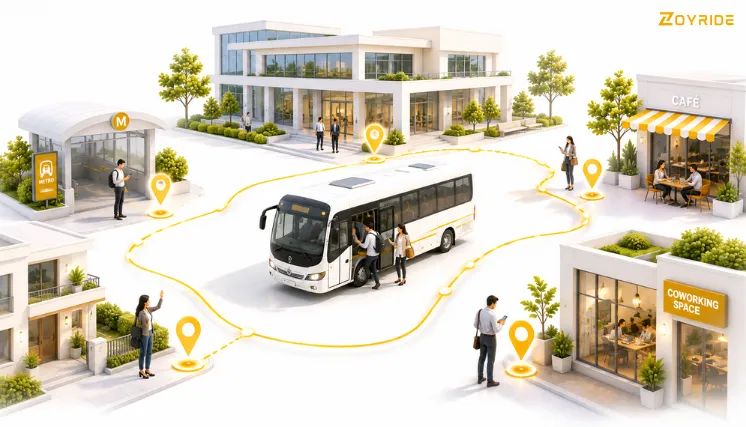
Per anni, i programmi aziendali di trasporto casa-lavoro hanno seguito lo stesso schema rigido: percorsi fissi, orari fissi e punti di pickup fissi. Sebbene questo approccio funzionasse quando gli ambienti di lavoro erano statici e prevedibili, il contesto aziendale di oggi richiede molta più agilità operativa.
Orari ibridi, turni flessibili, team basati su progetto e variazioni nella presenza in ufficio significano che la domanda di trasporto dei dipendenti fluttua notevolmente di giorno in giorno. Eppure molte organizzazioni continuano a gestire rotte progettate mesi o addirittura anni fa. Il risultato è un problema operativo ben noto: veicoli mezzi vuoti su alcuni percorsi, navette sovraffollate su altri, costi di carburante gonfiati e dipendenti costretti ad aspettare in fermate poco ottimizzate.
Per questo le aziende più avanzate stanno abbandonando il trasporto tradizionale a percorso fisso in favore di una mobilità aziendale dinamica e guidata dalla domanda. Alimentate da un moderno software di ottimizzazione dei percorsi per navette aziendali, le operazioni dinamiche si adattano continuamente alla domanda reale dei dipendenti invece di basarsi su ipotesi superate.
In questa guida vediamo come funzionano le navette aziendali dinamiche, perché le imprese leader stanno effettuando questa transizione e come l’adozione di un sistema di shuttle aziendale on demand migliori l’efficienza operativa dell’intera flotta.
Perché i Percorsi Fissi Tradizionali Non Bastano Più
I percorsi fissi sono stati progettati per un’epoca in cui tutta la forza lavoro arrivava e usciva agli stessi orari ogni giorno. Oggi i modelli di presenza aziendale sono molto diversi.
Le aziende moderne gestiscono regolarmente:
- Modelli di lavoro ibrido con presenza variabile giorno per giorno.
- Turni rotativi e notturni.
- Orari di lavoro flessibili e ingressi scaglionati.
- Sedi corporate multi-campus e uffici satellite distribuiti.
- Una distribuzione residenziale dei dipendenti in costante evoluzione.
Quando i piani di trasporto restano statici mentre i modelli di spostamento della forza lavoro rimangono fluidi, gli attriti operativi aumentano rapidamente.
Inefficienze Comuni dei Trasporti a Percorso Fisso
- Basso tasso di occupazione dei posti: grandi veicoli su tratte statiche indipendentemente dal numero reale di passeggeri.
- Tempi di percorrenza più lunghi: deviazioni inutili verso fermate dove non attende nessuno.
- Utilizzo squilibrato della flotta: percorsi sovraffollati accanto a veicoli sottoutilizzati.
- Carico amministrativo reattivo: team trasporto che passano ore a modificare manualmente fogli di calcolo quando la domanda cambia.
- Aumento di costi carburante e manutenzione: chilometri a vuoto che non generano alcun valore.
Che Cos’è un Sistema di Navetta Dinamico On-Demand?
A differenza del trasporto tradizionale a percorso fisso, un sistema di shuttle aziendale on demand pianifica gli itinerari attorno a richieste confermate dei passeggeri invece che su orari rigidi preimpostati.
I dipendenti semplicemente richiedono o confermano il viaggio tramite un’app mobile prima di un orario limite giornaliero. Il software aggrega automaticamente le richieste vicine, calcola il percorso più efficiente, abbina il viaggio al veicolo di dimensione ottimale e assegna l’autista.
Invece di costringere i dipendenti ad adattarsi a orari rigidi, è l’operazione di trasporto ad adattarsi alla domanda quotidiana. Questo offre ai team logistici aziendali massima flessibilità operativa e al tempo stesso massimizza l’utilizzo dei posti.
Come la Prenotazione Dinamica dei Posti Migliora la Pianificazione della Flotta
L’incertezza è la causa principale dell’inefficienza nei programmi di shuttle aziendali. I responsabili trasporto spesso non sanno quanti dipendenti utilizzeranno effettivamente il servizio finché il veicolo non è già in movimento.
Una app dinamica per prenotazione posti navetta elimina questa incertezza richiedendo ai dipendenti di prenotare il posto in anticipo. I responsabili passano così da una pianificazione basata su stime a un’esecuzione basata su domanda confermata.
[Prenotazione posto dipendente] -> [Aggregazione percorso con IA] -> [Dispatch dinamico autista]
(Conferma via app) (Fermate e percorso ottimizzati) (Zero fermate inutili)
Vantaggi Strategici della Domanda Confermata
- Elimina chilometri a vuoto: i veicoli visitano solo fermate dove i passeggeri hanno effettivamente prenotato.
- Consolida percorsi a bassa domanda: unisce richieste sparse in corridoi ottimizzati ad alta occupazione.
- Assegna il veicolo giusto: utilizza van più piccoli per turni a bassa richiesta e autobus più grandi per i picchi.
- Migliora l’accuratezza di arrivo: riduce il tempo di viaggio eliminando fermate inutili e garantendo arrivi puntuali in ufficio.
Ottimizzazione Avanzata dei Percorsi vs. Pianificazione Statica
I percorsi tradizionali si adattano raramente al traffico reale, alle interruzioni meteo o ai picchi improvvisi di presenza. Un software di ottimizzazione dei percorsi per navette aziendali specializzato valuta costantemente parametri chiave in tempo reale:
- Coordinate verificate di pickup e drop-off dei dipendenti.
- Orari di inizio e fine turno tra reparti.
- Traffico live, chiusure stradali e disservizi urbani.
- Capacità disponibili dei veicoli e posizioni della flotta.
- Durata massima consentita della corsa per i passeggeri.
Invece di percorrere lo stesso tragitto ogni mattina, gli orari evolvono dinamicamente insieme alle reali esigenze aziendali.
Massimizzare la Capacità della Flotta Senza Acquistare Più Veicoli
Molte organizzazioni pensano che supportare una forza lavoro in crescita richieda l’acquisto di ulteriori navette o l’estensione dei contratti con i fornitori. In realtà, ottimizzare la capacità esistente genera risultati finanziari migliori rispetto all’espansione della flotta.
Sfruttando un software di gestione flotte autobus per aziende, i responsabili del trasporto ottengono piena visibilità operativa:
| Metrica / Funzione | Sistemi Legacy a Percorso Fisso | Gestione Dinamica della Flotta |
|---|---|---|
| Generazione del percorso | Programmazione manuale e statica | Routing automatico e dinamico in tempo reale |
| Allocazione posti | Non monitorata / ordine di arrivo | Prenotazione garantita via app mobile |
| Tracciamento veicoli | Aggiornamenti GPS limitati o periodici | Tracking telematico continuo e live |
| Utilizzo della flotta | Scarso | Elevato |
| Scalabilità operativa | Richiede più veicoli fisici | Ottimizza la capacità della flotta esistente |
Visibilità Operativa in Tempo Reale per i Team di Trasporto
Gestire manualmente una flotta aziendale di navette su più sedi può rapidamente sovraccaricare i team di trasporto. Le piattaforme moderne consolidano tutto in un’unica dashboard centralizzata:
- Tracking telematico live: visibilità continua sulla posizione delle navette attive e sull’avanzamento dei viaggi.
- Monitoraggio dell’occupazione: visibilità in tempo reale su prenotazioni salite a bordo e non ancora salite.
- Rilevamento automatico dei ritardi: avvisi istantanei in caso di deviazioni, traffico intenso o ritardi.
- Audit di conformità autisti: monitoraggio automatico di velocità, limiti di turno e rispetto dei protocolli di sicurezza.
Con questa trasparenza operativa completa, i dispatcher possono risolvere i ritardi di percorso prima che impattino gli orari lavorativi dei dipendenti.
Migliorare l’Esperienza di Commuting dei Dipendenti
I programmi di mobilità aziendale influenzano direttamente soddisfazione, retention ed employer branding. Un’esperienza moderna di commuting riduce attriti e incertezza nel raggiungere l’ufficio.
Le piattaforme dinamiche offrono ai dipendenti:
- Posto garantito immediatamente: prenotazione semplice tramite app intuitiva.
- Tracking live della navetta: visibilità su mappa con posizione esatta ed ETA del veicolo.
- Notifiche proattive di partenza: alert automatici che ricordano quando dirigersi al punto di pickup.
- Boarding pass digitali: scansione sicura via QR code per check-in rapido e affidabile.
Usare la Mobility Analytics per il Miglioramento Continuo
La digitalizzazione delle navette per dipendenti genera dati di mobilità azionabili. I responsabili del trasporto possono affinare continuamente le prestazioni grazie agli insight storici:
- Trend di occupazione dei posti: monitoraggio della densità passeggeri per turno, reparto o sede.
- Heatmap geografiche: identificazione di cluster residenziali ad alta densità per ottimizzare futuri hub di pickup.
- Tassi di puntualità: monitoraggio delle performance dei driver nelle finestre di traffico intenso.
- Monitoraggio dell’impronta carbonica: misurazione di risparmi carburante e riduzione CO2 ottenuti con l’ottimizzazione.
Nel tempo, gli aggiustamenti data-driven aiutano i team trasporto a ridurre i costi mantenendo alti standard di servizio.
È il Momento di Aggiornare le Tue Operazioni di Shuttle Aziendale?
Il trasporto completamente dinamico potrebbe non essere necessario per ogni percorso, ma introdurre una pianificazione basata sulla domanda porta benefici immediati alla maggior parte delle operazioni enterprise.
Segnali Chiave che Indicano il Momento della Transizione:
- Le navette viaggiano costantemente sotto il 50% della capacità.
- I responsabili trasporto spendono troppo tempo in pianificazioni manuali e chiamate.
- I dipendenti si lamentano spesso di tragitti lunghi o pickup poco affidabili.
- La tua azienda ha adottato un modello di lavoro ibrido o flessibile.
- I costi operativi e del carburante continuano a crescere nonostante un headcount statico.
Implementare una app dinamica per prenotazione posti navetta insieme a un’ottimizzazione intelligente dei percorsi consente di modernizzare le operazioni senza interrompere l’attività quotidiana.
Conclusione
I percorsi fissi hanno fornito una solida base ai programmi di commuting aziendale nel passato, ma i moderni modelli di lavoro flessibile richiedono un approccio più agile.
Combinare un software di ottimizzazione dei percorsi per navette aziendali con un sistema di shuttle aziendale on demand permette alle imprese di rispondere dinamicamente alle esigenze della forza lavoro, eliminare chilometri improduttivi, aumentare l’utilizzo dei veicoli e offrire un’esperienza superiore ai dipendenti.
Modernizza il Tuo Programma di Commuting Aziendale
Scopri come le soluzioni di trasporto dipendenti di Zoyride combinano pianificazione dinamica, prenotazione intelligente dei posti e tracking automatizzato della flotta per trasformare la mobilità aziendale.
Prenota una Demo Live | Parla con i Nostri Specialisti del Trasporto
Domande Frequenti
1. Qual è la differenza tra una navetta a percorso fisso e un sistema on-demand?
Una navetta a percorso fisso segue tragitti e orari prestabiliti ogni giorno indipendentemente dalla presenza. Un sistema on-demand calcola dinamicamente percorsi, fermate e assegnazioni dei veicoli sulla base delle prenotazioni effettive dei dipendenti.
2. In che modo la prenotazione dinamica dei posti migliora l’efficienza della flotta?
Richiede ai dipendenti di confermare il viaggio in anticipo. Questo fornisce dati precisi di domanda che consentono di consolidare percorsi a bassa occupazione, eliminare fermate vuote e assegnare il veicolo della dimensione corretta.
3. I sistemi dinamici possono funzionare insieme alle rotte fisse esistenti?
Sì. Molte imprese adottano un modello ibrido, mantenendo rotte fisse per corridoi ad alta densità e usando routing dinamico on-demand per aree suburbane meno dense o turni off-peak.
4. Il software di ottimizzazione dei percorsi è adatto alle grandi aziende?
Aziende multi-sede, campus corporate, impianti produttivi e centri BPO ne traggono grandi vantaggi, perché semplifica operazioni complesse multi-turno, multi-città e di compliance in un unico sistema.
5. Quali funzionalità dovrebbero valutare le aziende in una piattaforma di gestione navette?
Le funzionalità essenziali includono ottimizzazione automatica dei percorsi, tracking GPS in tempo reale, app mobile per prenotazione posti, assegnazione automatica dei driver, dashboard operative live e capacità di integrazione con sistemi HRMS aziendali.